In order to develop their scientific careers and disseminate the results of their research, scientists need to publish in scientific journals. The most prestigious of these are included in international scientometric databases, among which Scopus occupies a special place. What are its main advantages? Why are articles published in Scopus so valuable to the scientific community? Read on in our article.

What is Scopus?
Scopus is one of the largest international databases of scientific publications and citations, developed by Elsevier. It covers a wide range of scientific disciplines, but pays particular attention to the humanities.
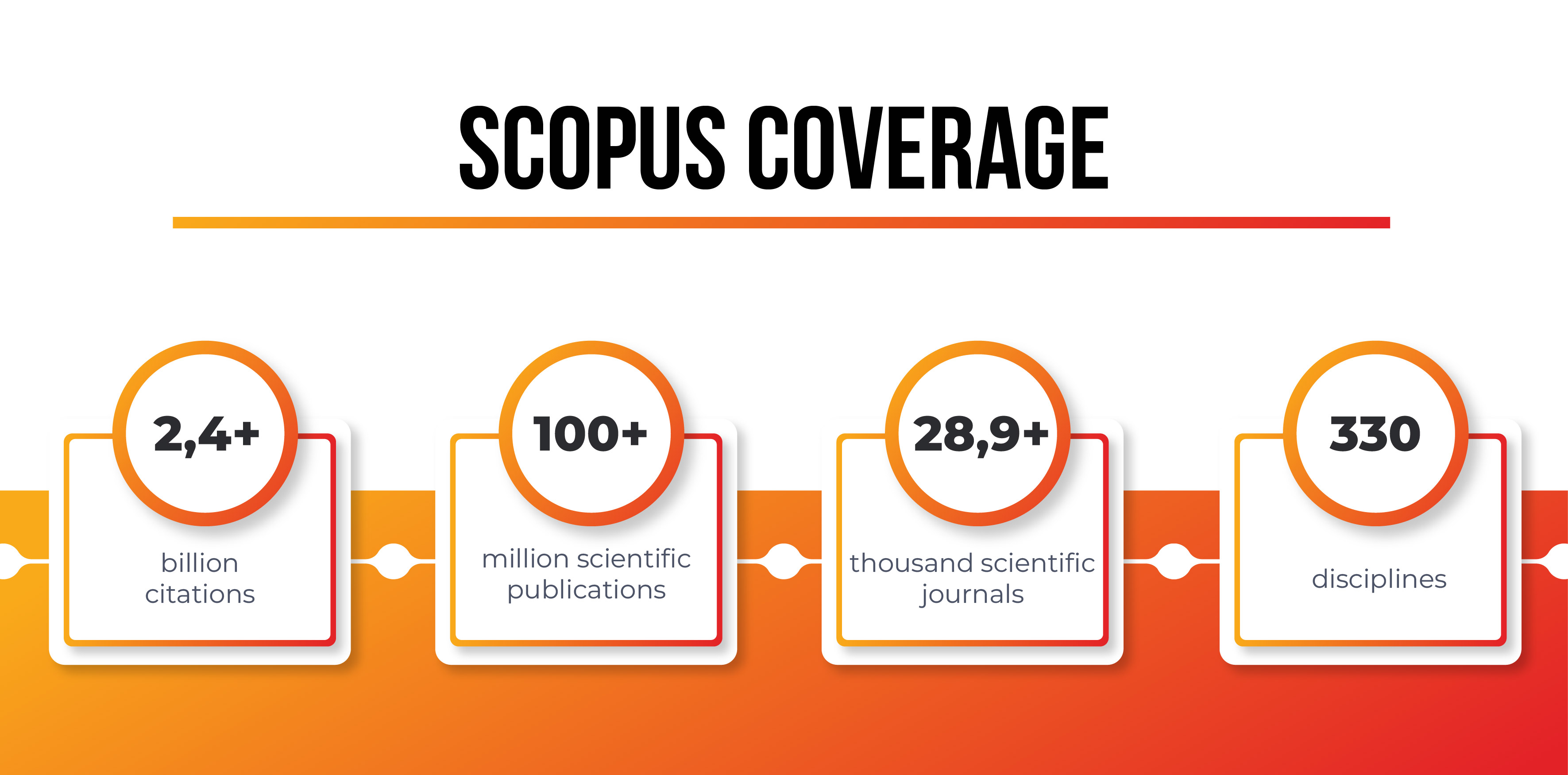
This database provides students, researchers and academic institutions with access to contemporary scientific articles, conference materials, patents and monographs, helping them to track current trends and assess the impact of research.
Scopus is not limited to collecting publication metadata. It also offers tools for analysing the citation and performance of scientists, making it an important tool for those who want to stay in touch with global science.
Key features of Scopus
Scopus is a powerful platform for researchers: it helps them keep track of scientific publications, analyse the impact of their own research, and find the most relevant works in their field. The key features of this database include:
- Search for relevant sources. Scientists can quickly find articles that match their research interests. This is done using a convenient search system and filters by keywords, authors, journals, or dates.
- Citation analysis. Scopus allows you to track the frequency of citations of a scientist's or their colleagues' works, which is an important criterion for evaluating scientific contribution.
- Search for a journal for publication. Thanks to CiteScore, SNIP and other indicators, the database allows you to assess the reputation of publications and select a suitable journal for publication.
- Tracking scientific trends. The service allows you to identify new research directions and dynamic areas in a specific discipline.
- Networking and collaboration. Author and institution profiles in Scopus open up opportunities to find partners for joint publications and research projects.
What are the advantages of the Scopus database?
Although there are many scientometrics databases in the academic environment, Scopus stands out among them. The platform has a number of advantages that greatly simplify the search and analysis of the necessary scientific information.
Key advantages of Scopus:
- Convenient search and filtering. Thanks to a simple interface and flexible filters, researchers can quickly find the materials they need by keywords, authors, institutions or publication dates, which saves time and increases work efficiency.
- Wide coverage of sources and disciplines. The Scopus database indexes more than 28,000 journals and millions of publications, including articles, books, patents, and conference materials. This provides access to interdisciplinary research and knowledge beyond narrow specialisations.
- Author and institution profiles. The system contains data on more than 19 million scientists and 94,000 organisations. This information allows you to track their scientific contributions and facilitates the establishment of professional contacts.
- Cooperation with other databases. Scopus easily integrates with platforms such as Mendeley and ORCID, facilitating bibliography management and data exchange between scientific systems.
How does publication in Scopus affect a scientist's career?
A publication in Scopus attests to its scientific value and the author's high level of competence in their field. This is due to the strict requirements of journals and the thorough manuscript review process. The publications themselves undergo comprehensive checks for compliance with scientific ethics, the composition of the editorial board, and other criteria.
Thanks to publication in Scopus, scientists:
- increase the visibility of their research: articles indexed in Scopus become available to millions of scientists in different countries, which increases the likelihood of citation and recognition in the global scientific community
- strengthen their academic reputation: publication in high-ranking Scopus journals increases the authority of both the researcher and the institution they represent
- promote career growth: universities use Scopus data when appointing positions and awarding academic degrees, and research foundations use it to evaluate the performance of researchers when allocating grants
- Universities and research foundations often use Scopus data to evaluate researchers' performance when awarding grants, appointing positions or awarding academic degrees.
- provides international recognition: since Scopus is a global platform, publishing in it allows you to promote yourself and your scientific achievements at the international level
Scopus is not only a database, but also a powerful tool that allows researchers to keep track of the latest scientific achievements, publish their own results, and strengthen their presence in the academic community.
With its convenient search, citation analysis and impact assessment tools, Scopus helps scientists effectively manage their publishing activities, find partners for collaboration and build an international reputation.
For universities and research institutions, this platform is also an important indicator of the quality and competitiveness of their scientific research.
To simplify the process of publishing in Scopus as much as possible, contact Scientific Publications. Our specialists will audit your article, select a suitable journal, and accompany you through all stages of the process. Would you like a free consultation? Then leave your contact details in the form below, and our manager will contact you shortly. Together towards new scientific achievements!