


What does a scientist gain once their Hirsch index reaches five? In Uzbekistan from 2027, the answer will be a matter of concrete payments, not only scientific standing. Here is what is changing and what a Hirsch index of five actually gives a scientist beyond status.


Collaboration with research organizations: what opportunities open up for a scientist in Uzbekistan?
International scientific ties give a scientist a new circle of partners, access to modern equipment and joint publications. What forms of cooperation with foreign scientific organisations exist? What can a scientist expect from taking part in such programmes? We look at what cooperation opportunities are available in Uzbekistan and how a scientist can make use of them.
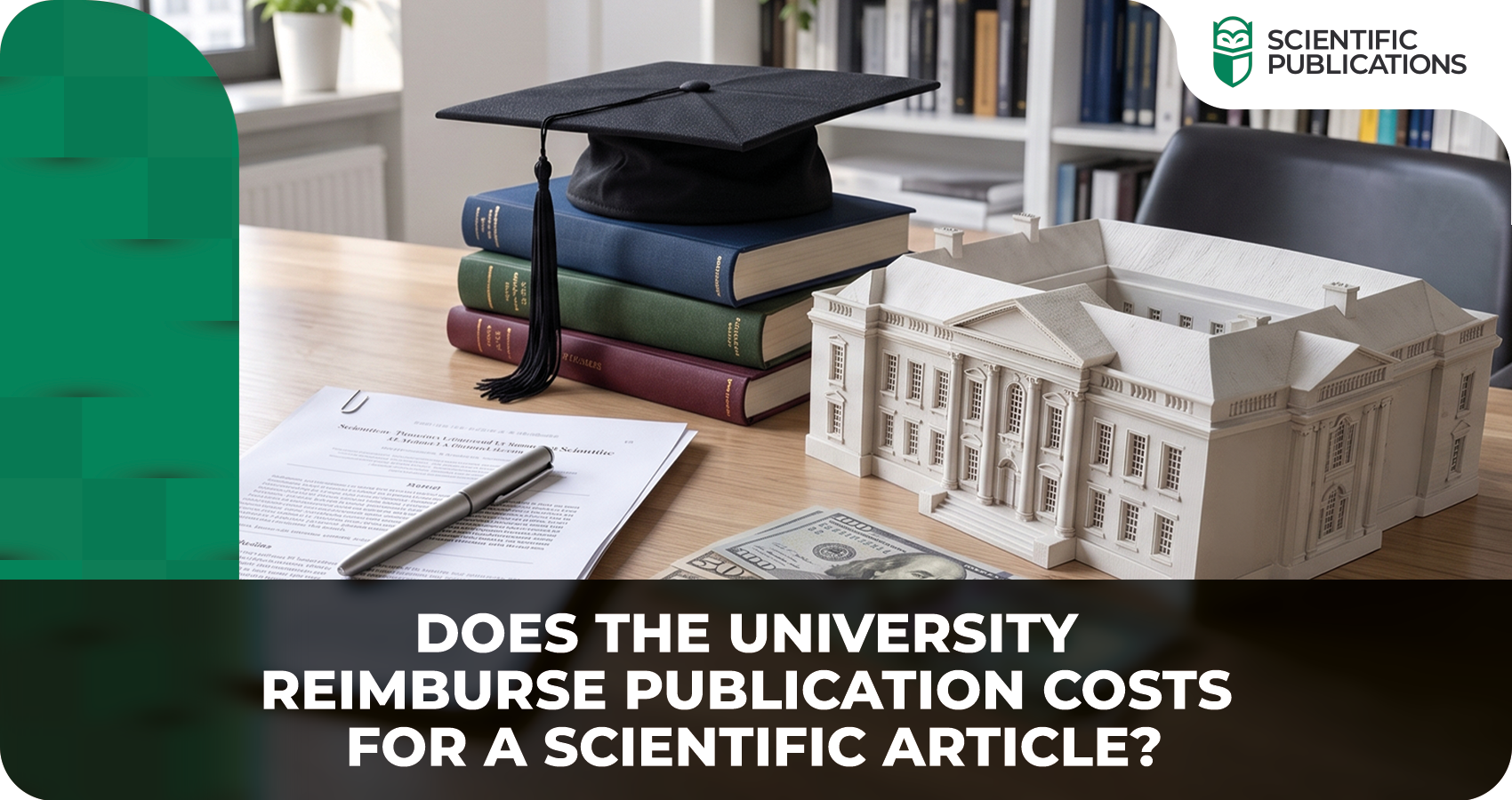
Does the university reimburse publication costs for a scientific article?
Publishing in a journal almost always involves costs. Is a university willing to cover them? What support can an academic in Uzbekistan count on? We look at how funding for scientific publications currently works.
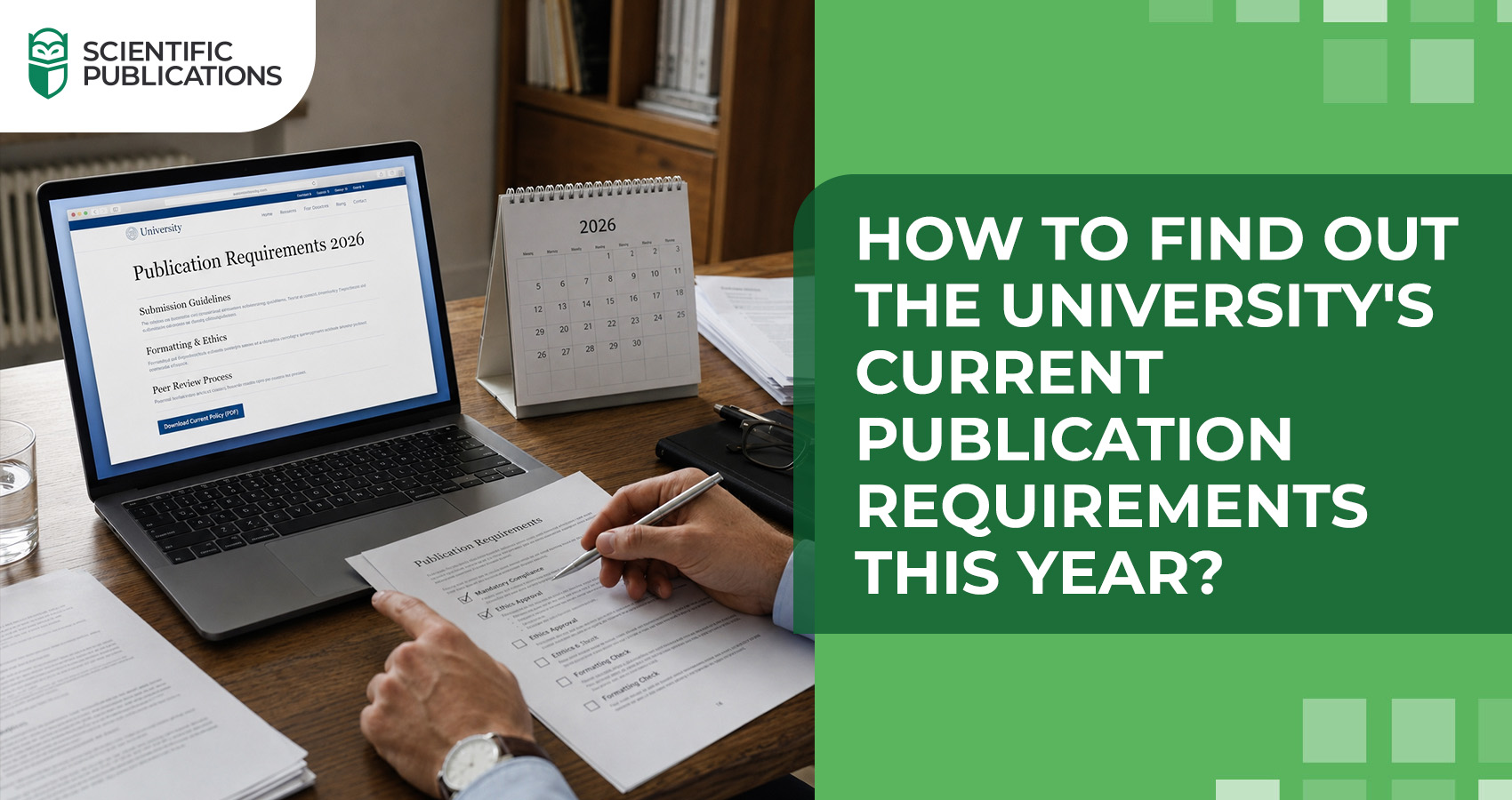
How to find out the university's current publication requirements this year?
Requirements for the research publications needed to defend a dissertation are revised from time to time: the list of recommended journals changes, along with the selection criteria and the rules of attestation itself. Can a candidate really keep track of every change alone? Here is a look at which sources to rely on when preparing publications in 2026.
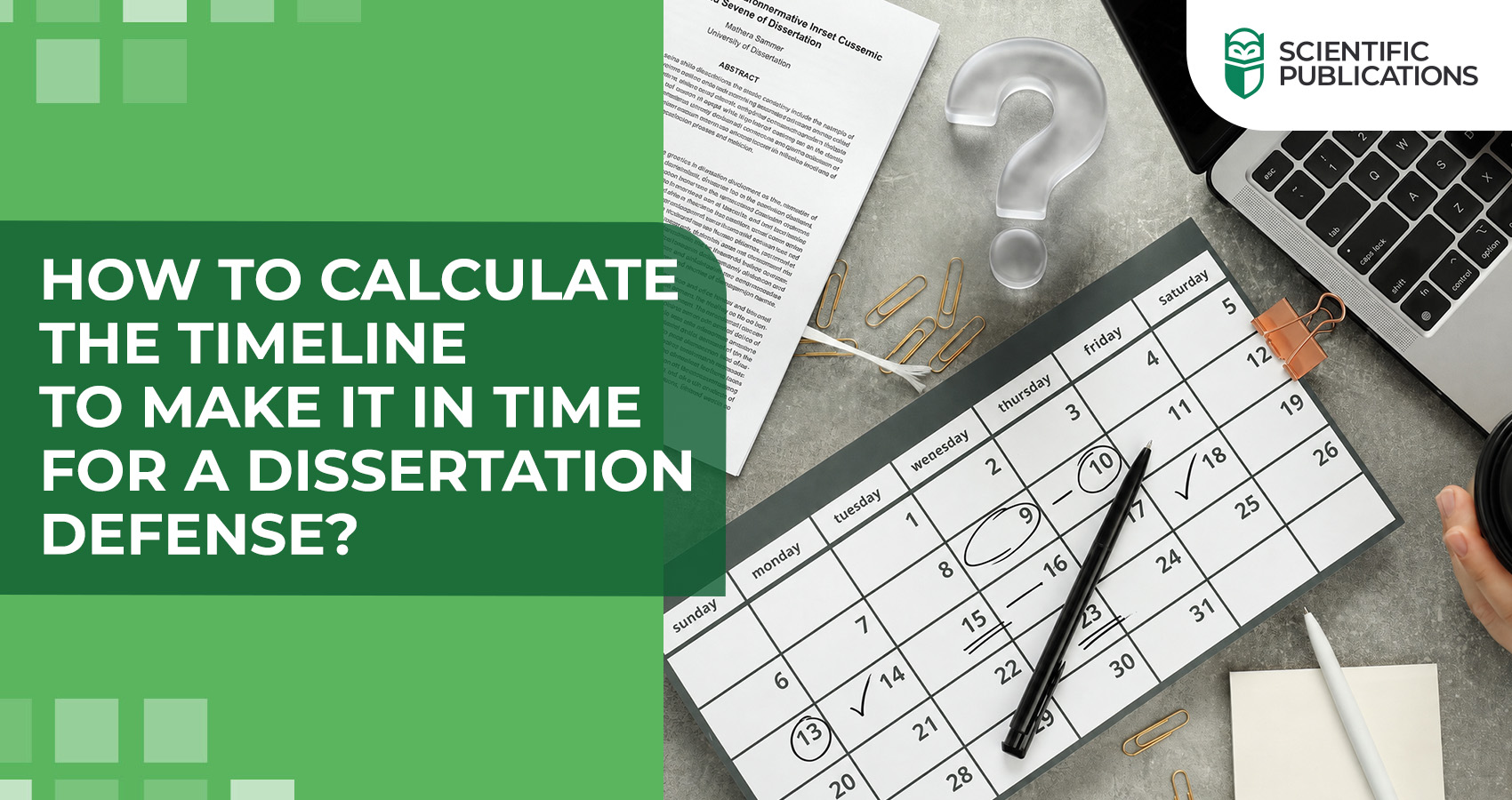
How to calculate the timeline to make it in time for a dissertation defense?
A dissertation defence – the culmination of years of research – can easily be missed without an accurate timeline. How long does it take to publish an article? Which university procedures should be factored in early? We look at how to plan a schedule for the defence.
Why you shouldn't delay preparing your Scopus publication until autumn?
Autumn traditionally marks the period when a scholar returns to research work after the summer break. However, if a publication in a Scopus-indexed journal is needed by a specific deadline – for example, for a dissertation defence or an academic progress report – starting the preparation of the article in autumn is not the most favourable choice. Why does the process take considerably longer than it might seem at first glance?
Order publication
Contact the manager
SUBMIT A REQUEST
X

We have a gift for you!
Free citation of your research or a discount on publication services — the choice is yours!
Denys Hlushko
Director of
Scientific Publications Uzbekistan